
Foundations That Keep Flooring From Failing
Subfloor Repair and Preparation in Hattiesburg for properties with uneven surfaces, moisture damage, or structural weakness beneath finished floors
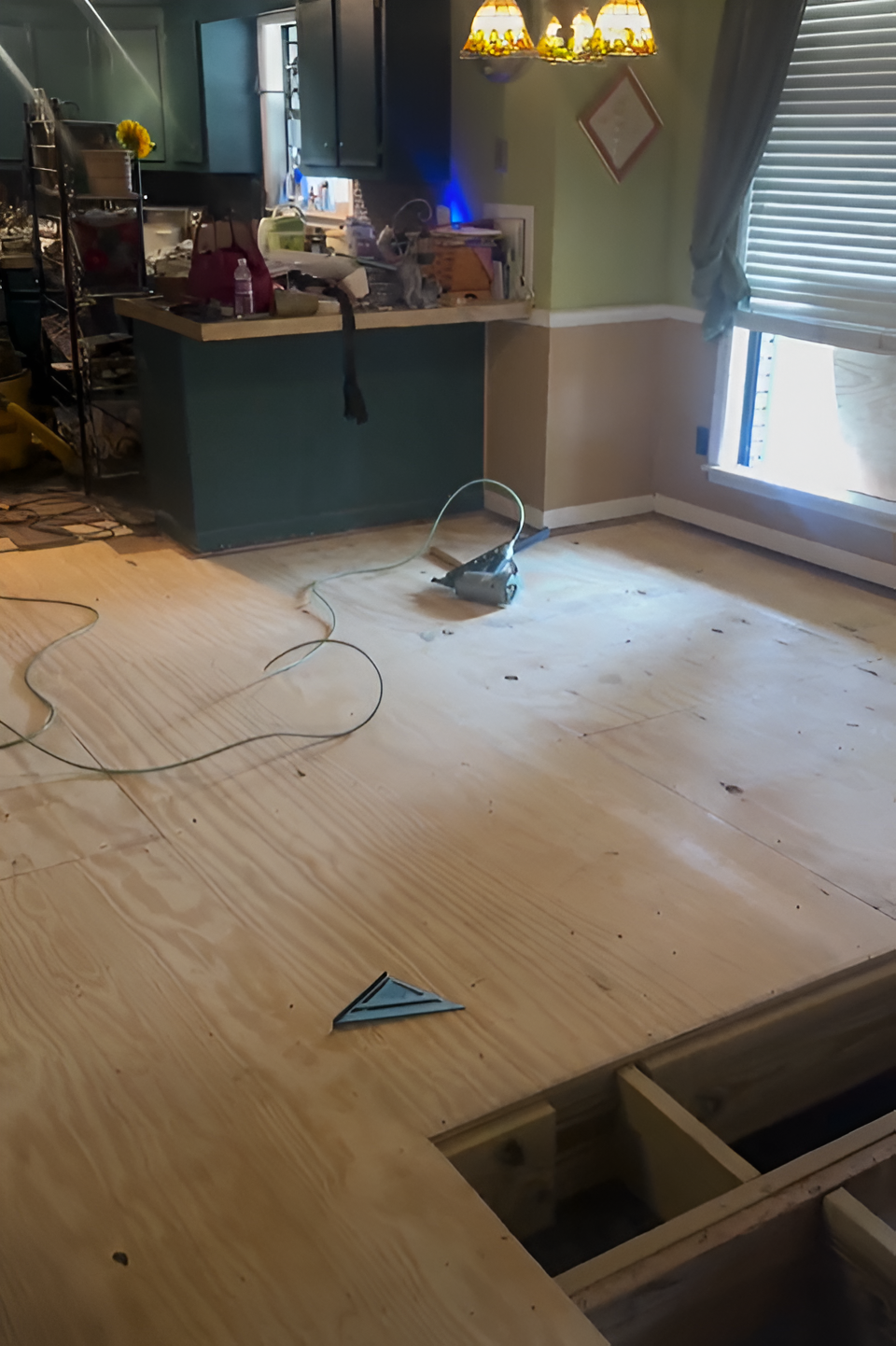
Subfloors hidden beneath carpet, tile, or hardwood rarely get attention until flooring above them starts to fail—boards that creak, tiles that crack, vinyl that bubbles—all symptoms of problems underneath rather than issues with the surface material itself. When subflooring develops soft spots from water damage, sags between joists, or shows visible unevenness, new flooring installed on top won't last because it flexes and shifts with the compromised structure below. Barrios Enterprise LLC repairs and prepares subfloors across Hattiesburg, Mississippi, addressing structural issues that must be corrected before any finish flooring goes down to prevent premature failure and wasted material costs.
The inspection process identifies areas where plywood or OSB sheathing has delaminated from moisture exposure, joists that have sagged or rotted, and spots where the surface isn't level within acceptable tolerances for the flooring type planned. Repairs involve replacing damaged sections, adding blocking or reinforcement where joists flex too much, and applying leveling compound to smooth out dips and high spots. Different flooring types have different tolerances—tile needs a flatter surface than carpet because rigid materials crack when they span gaps, while vinyl shows every imperfection telegraphing through from below.
Request a subfloor inspection before scheduling flooring installation to identify issues that need correction and avoid problems after new materials are down.
What a Solid Subfloor Prevents Long-Term
Leveling techniques depend on how far out of tolerance the surface measures and what's causing the unevenness. Self-leveling compound fills low spots and feathers out to blend with surrounding areas, creating a smooth plane for rigid flooring. Shimming beneath subfloor panels raises sections that have settled, while planing or sanding reduces high spots that would otherwise create ridges. The goal is a surface that doesn't flex more than acceptable limits when walked on, measured by how much deflection occurs under load.
Once subfloor work finishes, you'll have a structurally sound base that supports weight evenly without bouncing or creaking underfoot. Flooring installed on properly prepared subflooring lasts its expected lifespan without developing cracks, gaps, or loose sections caused by movement below. Moisture barriers installed during preparation prevent future water infiltration from below that would cause the same damage again, especially in crawl space applications where ground moisture migrates upward.
Subfloor repair doesn't include the finish flooring itself—that's a separate installation once the base is ready. Some moisture issues trace back to plumbing leaks or exterior drainage problems that need fixing before subfloor repairs make sense, since ongoing water exposure will damage new materials just as it damaged the originals.
Questions Homeowners Ask About Subfloors
Subfloor problems aren't visible until flooring comes up, so questions often focus on how to identify issues and what repairs involve.
What causes subfloors to become soft or spongy underfoot?
Soft spots develop when water soaks into wood sheathing and breaks down the adhesive holding layers together, or when joists beneath the subfloor rot from prolonged moisture exposure and lose their structural strength.
How much unevenness can flooring materials tolerate before problems appear?
Tile and rigid plank flooring typically require surfaces flat within one-eighth inch over ten feet, while carpet can tolerate slightly more variation without showing defects since padding and fibers compress over irregularities.
Why does flooring squeak even when it looks fine from above?
Squeaks occur when subfloor panels aren't fastened securely to joists and rub against nail shanks with each step, or when gaps between the subfloor and framing allow movement that creates friction and noise.
How do you prevent moisture damage in subfloors in Hattiesburg's climate?
Moisture barriers between subfloor and crawl space or slab prevent ground moisture from wicking upward, and proper ventilation or dehumidification keeps humidity levels low enough that wood doesn't absorb enough moisture to promote rot or mold.
What happens if new flooring is installed over a damaged subfloor?
New flooring fails prematurely—tiles crack along weak spots, planks separate at joints, and soft areas get worse as traffic compresses damaged sections further until the surface becomes visibly uneven or unsafe.
Barrios Enterprise LLC inspects subflooring before any installation project to confirm the base is structurally sound and level enough for the flooring type you've selected. Call (601) 323-2657 to arrange an inspection and receive a repair estimate based on current subfloor conditions.